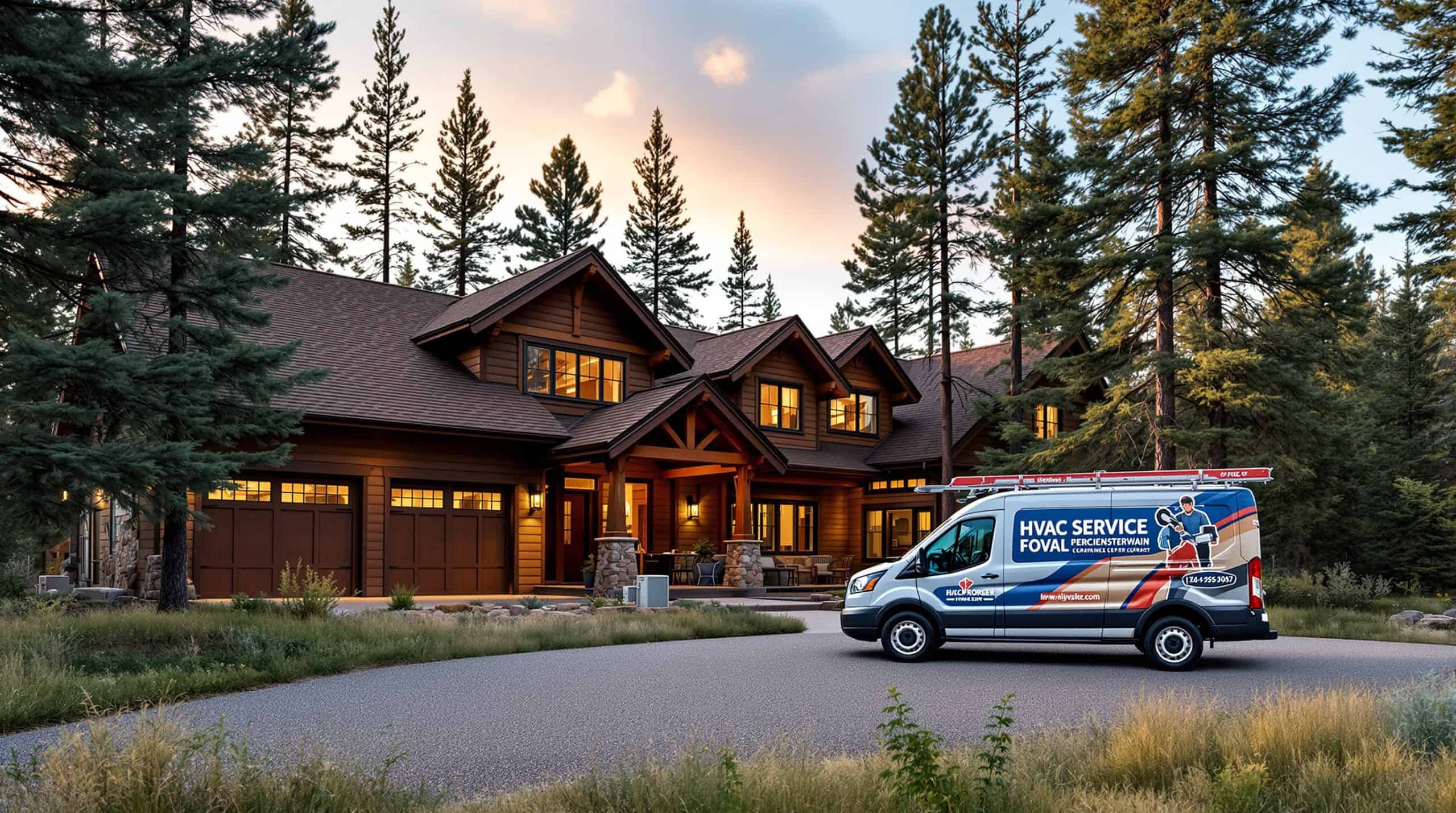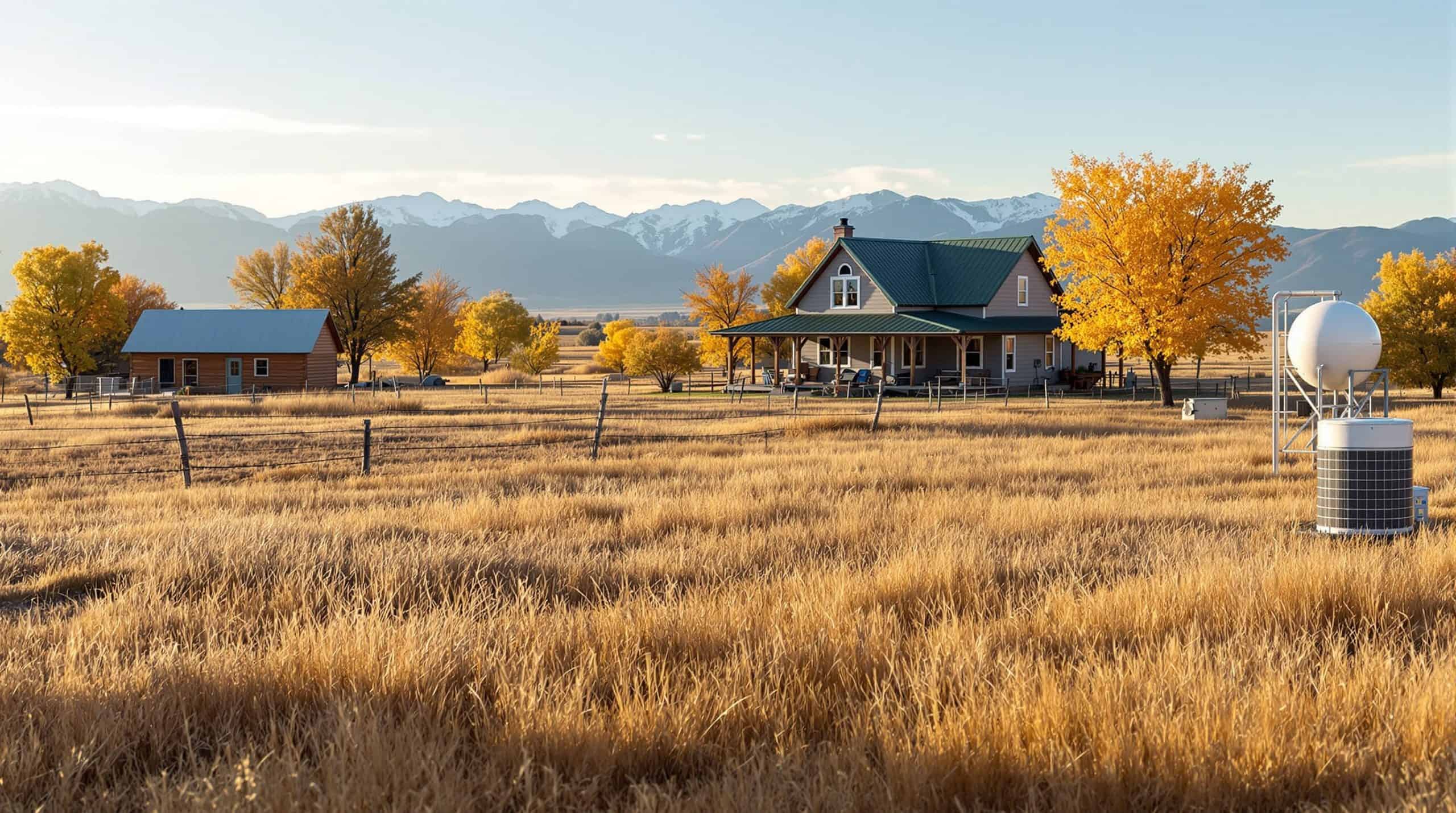
Picture a five-acre property off Herring Road, a propane tank tucked behind the barn, and a furnace that just quit on a January morning with the nearest neighbor a quarter mile away. That is life in Peyton, and it is a different kind of HVAC problem than what a homeowner on a quarter-acre lot in central Colorado Springs deals with. If you live out here, the contractor you choose needs to understand acreage, well water, propane systems, and the simple fact that "we'll be there soon" means something different when you're twenty-five minutes from the shop.
Key Takeaways
- Peyton's rural layout changes HVAC logistics: longer driveways, propane fuel sources, and well water systems all affect how heating and cooling equipment is installed and serviced.
- Altitude still matters at Peyton's elevation: furnace combustion and equipment sizing require adjustment for thinner air, just as they do in Colorado Springs proper.
- Propane furnaces need different combustion tuning than natural gas units: a comfort advisor familiar with rural fuel sources will check this without being asked.
- Response time is a legitimate question to ask upfront: homes outside city limits deserve a straight answer about how far a technician has to travel.
- A trustworthy comfort advisor explains before recommending: honest diagnostics mean showing you the reading, not just naming a part.
- The right contractor treats Peyton as a service area, not an afterthought: ask directly whether the company regularly works in your zip code.
1. Why Peyton's Rural Setting Changes HVAC Needs
Peyton is not a suburb with sidewalks and shared property lines. It is acreage country, part of El Paso County's eastern plains where homes sit on one, five, or even twenty acres, often with long gravel driveways and outbuildings that need their own heating or cooling considerations. That layout changes more about an HVAC job than most homeowners realize before they've lived through their first service call.
A technician working in Peyton needs to account for longer line runs between equipment and the home, ductwork that may snake through a larger footprint or a detached structure, and access considerations that a dense subdivision never presents. A five-acre property might have the outdoor condenser fifty feet from the house instead of five. A barn or shop building might have its own mini-split system entirely separate from the main house. None of this is complicated for a contractor who works Peyton regularly, but it does mean the visit takes different planning than a cookie-cutter neighborhood job.
Distance From Utilities and Infrastructure
Many Peyton properties sit further from municipal infrastructure than in-town homes, which affects everything from electrical service capacity to how a system pulls power during peak load. A comfort advisor should check your electrical panel capacity before recommending equipment that draws more amperage than your service can reliably handle, particularly for larger homes running electric heat strips or heat pump backup heat.
Larger Lots Mean Larger Homes, Often
Acreage properties in Peyton tend to run larger in square footage than in-town comparables, and a bigger home changes the load calculation for heating and cooling equipment. A contractor sizing a system for a 3,200 square foot farmhouse cannot use the same shortcut math they'd apply to a 1,400 square foot bungalow near downtown Colorado Springs.
Outbuildings and Detached Structures
Barns, shops, guest houses, and detached garages are common on Peyton properties, and many owners eventually want climate control in at least one of them. These structures usually call for standalone mini-split or ductless systems rather than extending the main home's ductwork across open ground, since long duct runs outside a conditioned envelope lose efficiency fast.
2. Well Water, Propane, and Other Peyton Home Factors
Most Peyton homes run on well water and propane rather than municipal water and natural gas, and both of those facts touch your HVAC system more than you might expect. It's worth understanding the connection before you're troubleshooting a heating problem at 10 p.m. in February.
Propane furnaces burn differently than natural gas furnaces. The fuel has a different heat content, different combustion characteristics, and requires specific orifice sizing and pressure regulation to burn cleanly and safely. A furnace installed or serviced by someone who mostly works natural gas systems in town can miss propane-specific tuning that affects both efficiency and carbon monoxide output. This is not a minor detail. It is a safety and performance issue that deserves a comfort advisor who has actually worked propane systems in the field, not just read about them.
Propane Furnace Combustion and Safety
Propane combustion needs to be verified with proper testing equipment during any tune-up or install, checking for correct flame characteristics and combustion byproduct levels. At Colorado Springs area elevation, thinner air already changes how any fuel burns, and propane's different burn profile adds another layer that a generalist technician might not fully account for. Carbon monoxide testing should be a standard part of every furnace visit on a propane system, not an upsell add-on. The EPA's guidance on combustion appliance safety outlines why regular combustion testing matters for any fuel-burning furnace.
Well Water and Humidity Considerations
Well water systems don't directly power HVAC equipment, but they often correlate with homes that have humidifiers tied into well-fed plumbing, or basement mechanical rooms where well pressure tanks sit near furnaces and air handlers. A comfort advisor working in your mechanical room should be mindful of that equipment and not treat your property like a standard municipal-utility home.
Propane Tank Placement and Equipment Clearances
Propane tanks have required clearance distances from ignition sources and structures, and outdoor HVAC equipment placement sometimes needs to account for tank location on a property. This rarely becomes an issue in dense neighborhoods, but on a Peyton acreage lot where the tank, the condenser, and the home might all be positioned independently, it's worth a conversation with your contractor during any new installation.
3. How High Altitude Affects Equipment Sizing Out Here
Colorado Springs sits at 6,035 feet, and Peyton, further east on the plains, is not far behind. That elevation is not a footnote. It is a real variable in how furnaces burn fuel and how both furnaces and air conditioners perform, and it is one of the most commonly overlooked factors in HVAC sizing across the region.
At altitude, air is less dense, which means less oxygen is available for combustion in a furnace and less air mass moves across a coil in an air conditioner or heat pump for the same fan speed. Furnaces are rated for input BTU at sea level, and manufacturers publish altitude derating tables that adjust that output for elevation. A furnace installed without accounting for this can either underperform or, in some cases, run inefficiently and produce more combustion byproducts than it should. Air conditioning equipment sized using flatland assumptions can end up oversized for the actual cooling load, which causes short cycling, poor humidity control, and uneven comfort between rooms.
Manual J Load Calculations Done Right
A proper Manual J load calculation accounts for your home's square footage, insulation, window count and orientation, and local climate data, but it should also reflect your actual elevation rather than a generic zip code default. Peyton's plains location means different wind exposure and solar gain patterns than a home tucked into the foothills, and a comfort advisor who understands both altitude and microclimate will size your system to match your house, not a spreadsheet average.
Furnace Derating and Combustion Adjustment
Furnace manufacturers, including Armstrong Air, publish specific altitude adjustment guidance for input rate and orifice sizing above certain elevation thresholds. A technician installing or servicing a furnace in Peyton should apply these adjustments as a matter of course, not as an afterthought discovered during a callback.
Heat Pump Performance at Elevation
Cold climate heat pumps have become a serious option for Colorado Springs area homeowners, but their performance curves are tested and published at standard conditions that don't always reflect thinner mountain air. A comfort advisor recommending a heat pump for a Peyton property should walk you through how the specific model performs at low outdoor temperatures and elevation, and should also mention the Xcel Energy rebate program, which offers up to $2,250 for qualifying heat pump installations. Rebate specifics and eligibility should always be confirmed directly with Xcel Energy since program details change.
4. Common Heating and Cooling Challenges for Peyton Properties
Peyton's climate and terrain create a specific set of recurring HVAC problems that show up again and again on service calls out here. Recognizing them ahead of time helps homeowners understand what they're dealing with instead of guessing at a diagnosis.
Wind exposure is one of the biggest. Peyton's open plains setting means less windbreak from trees and terrain than homes tucked into Colorado Springs neighborhoods or foothill communities, and sustained wind can affect both furnace venting and outdoor condenser performance. Dust and debris intake on outdoor units is another common issue, since agricultural dust and dry-season particulates accumulate faster on rural properties than they do in town. Wide temperature swings between day and night on the plains also put more cycling stress on equipment than a more moderated in-town microclimate.
The table below compares how a few common HVAC issues tend to show up differently in Peyton versus a typical in-town Colorado Springs property.
| Issue | Peyton / rural properties | In-town Colorado Springs properties |
|---|---|---|
| Outdoor unit debris buildup | Higher, from open-field dust and agricultural activity | Lower, more shielded by fencing and landscaping |
| Wind exposure on venting | Significant, especially on open plains lots | Moderate, buffered by neighboring structures |
| Fuel source for furnaces | Often propane, requiring specific combustion tuning | Usually natural gas |
| Electrical service capacity | Sometimes older or lower-amperage, especially on legacy rural properties | Generally standard modern service |
| Distance for service response | Often 20+ minutes from town-based contractors | Typically shorter drive times |
Wind-Driven Venting Problems
Furnace venting systems, particularly high-efficiency PVC vents, can be sensitive to sustained crosswinds that interfere with proper draft. On an open Peyton lot with little windbreak, this can occasionally cause pressure switch faults or intermittent lockouts that wouldn't show up on a more sheltered in-town property. A comfort advisor familiar with rural venting issues will check vent termination placement relative to prevailing wind before assuming a part failure.
Dust and Filter Life
Rural dust loads mean filters clog faster than manufacturer estimates typically assume, and outdoor coils need more frequent rinsing to maintain airflow. Homeowners on Peyton acreage properties often find they need to check filters more often during dry, windy stretches than the standard ninety-day guideline suggests.
Temperature Swing Stress on Equipment
Plains locations often see sharper day-to-night temperature swings than more sheltered in-town areas, and that swing means more start-stop cycling for both furnaces and air conditioners. Over years of ownership, that extra cycling can shorten component life modestly, which is one more reason routine maintenance matters more, not less, for rural properties.
5. What to Expect From a Comfort Advisor Visit in Peyton
A comfort advisor showing up at a Peyton property should treat the visit differently than a standard in-town call from the moment they turn onto your driveway. Understanding what a thorough, honest visit looks like helps you evaluate whether the contractor in front of you is doing the job right.
The visit should start with a real look at your specific setup, not a generic checklist. That means confirming your fuel source (propane versus natural gas), checking your electrical panel if new equipment is being discussed, and asking about any outbuildings or detached structures you might eventually want conditioned. A rushed technician who skips straight to diagnosing a symptom without understanding your property's basic layout is cutting corners that matter more on acreage than in a subdivision.
Diagnostics Before Recommendations
Honest diagnostics mean the comfort advisor shows you an actual reading, whether that's a combustion analyzer printout, a refrigerant pressure gauge, or a static pressure test, before recommending a repair or replacement. On a propane system, that should include a carbon monoxide and combustion efficiency check as a matter of routine, not something you have to request. If a technician recommends a repair without showing you what led to that conclusion, it's fair to ask for the specific reading behind the recommendation.
Straight Talk on Repair Versus Replace
Older equipment on rural Peyton properties sometimes gets neglected simply because the property is further from a shop and harder to schedule routine maintenance for. A comfort advisor should give you a clear, honest picture of whether a repair makes sense given your system's age and condition, without pressure tactics or a manufactured sense of urgency. A hallmark of honest service is a technician who is comfortable telling you a repair will hold for another season if that's genuinely true.
Upfront Pricing Before Work Begins
You should receive a clear, upfront price before any work starts, not a moving number that changes once the technician is mid-job. This matters everywhere, but it matters more on a property where a callback means another 20 or 30 minute drive if something was left unclear the first time. A company that stands by its work backs that upfront pricing with real accountability if something isn't right.
6. Why Response Time Matters for Homes Outside City Limits
When a furnace fails on a Peyton property in the middle of a January cold snap, the drive time from a Colorado Springs shop is a real factor in how long you're without heat, not an abstract inconvenience. This is one of the most practical, concrete reasons to ask a contractor direct questions about their service area before you need them urgently.
Some HVAC companies quietly deprioritize rural calls because they're less profitable per drive-time hour, or they simply don't route technicians east of the city with any regularity. That's a legitimate business reality for some companies, but it's information you deserve to know before an emergency, not during one. Ask directly: does this company service Peyton regularly, and roughly what response window can you expect for an emergency call versus a routine appointment.
What Counts as an HVAC Emergency
A true HVAC emergency generally means no heat during freezing temperatures, no cooling during extreme heat for a vulnerable occupant, a gas or carbon monoxide smell, or visible water leaking from equipment that risks property damage. A routine repair that can wait a day or two for a scheduled slot is a different category, and a straightforward contractor should be clear with you about which situation you're in rather than treating every call as equally urgent to upsell faster scheduling.
24/7 Emergency Service as a Real Commitment
24/7 emergency service should mean an actual person answers or calls back promptly, not a voicemail that gets returned the next business day. For homes outside city limits, this commitment carries extra weight, since a delayed response compounds the further you are from town. Ask specifically how emergency calls from Peyton and similar outlying areas are handled compared to in-town calls.
Scheduling Ahead for Non-Emergency Work
For planned work like a fall tune-up or a spring AC check, scheduling ahead a few weeks rather than waiting until peak season gives a rural contractor more flexibility to route your appointment efficiently alongside other calls in your area. Homeowners who build a relationship with one contractor over multiple seasons often find scheduling gets smoother over time, since the company already has your equipment history and property layout on file.
7. Questions Peyton Homeowners Should Ask Before Hiring
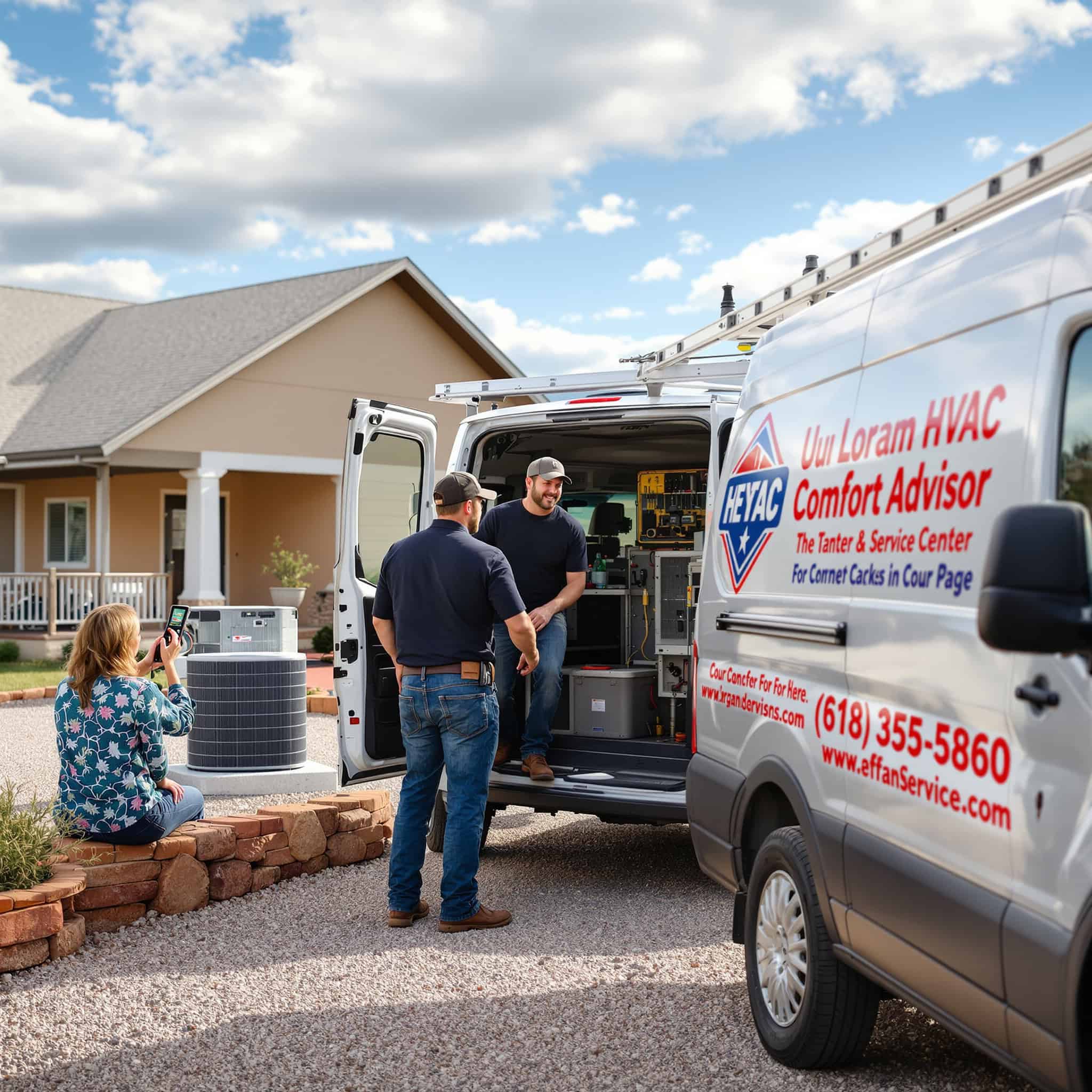
Choosing an HVAC contractor for a Peyton property is a decision worth a few extra minutes of questions upfront, since a wrong choice costs more in wasted drive time, misdiagnosed propane equipment, or oversized systems than it would in a denser part of town. A few direct questions separate a contractor who genuinely knows rural properties from one who's simply willing to make the drive once.
Ask whether the company regularly services Peyton and the surrounding communities like Falcon and Black Forest, or whether your call would be an unusual exception for them. Ask whether their comfort advisors have specific experience with propane furnace combustion tuning, since this is a meaningfully different skill set from natural gas service. Ask how they handle load calculations for larger acreage homes and whether they account for local elevation in their sizing math rather than using a generic estimate.
Credentials Worth Verifying
Look for a valid Colorado Mechanical A License, which reflects the required legal credential in this state, and manufacturer authorization status such as being an Armstrong Air Authorized Dealer, which typically requires ongoing training and factory-backed installation standards. A BBB rating with a long track record, ideally an A+ rating held for many years rather than a recent achievement, is another useful signal of consistent, accountable service over time.
Specialty Certifications That Signal Depth
If you're considering a home without existing ductwork, or you own one of the area's historic properties, ask whether the contractor holds Unico small-duct high-velocity certification, since this is a specialized system that not every HVAC company installs correctly. Similarly, ask about Aeroseal duct sealing certification if you suspect your ductwork has leaks contributing to hot or cold spots. These aren't credentials every HVAC company pursues, and a contractor who has invested in them is signaling a deeper commitment to solving problems other companies might just work around.
Military Family Considerations
If you're a military family stationed at Fort Carson, Peterson Space Force Base, Schriever Space Force Base, Cheyenne Mountain Space Force Station, or the Air Force Academy and renting or owning property out in Peyton, ask whether the contractor offers a military discount and understands PCS-timeline urgency for move-in inspections or pre-sale readiness. A company with genuine roots in the local military community should be able to speak to this without hesitation.
FAQs
Does A & Z Mechanical service Peyton, CO regularly?
A & Z Mechanical serves Peyton and surrounding El Paso County communities as part of its regular service area, not as an occasional exception. As a Family Operated company based in Colorado Springs since 2001, the team routes technicians to outlying communities on a consistent basis.
Do propane furnaces need different maintenance than natural gas furnaces?
Yes. Propane furnaces require specific combustion tuning, orifice sizing, and pressure regulation different from natural gas units, and a technician should verify combustion characteristics and carbon monoxide levels during every tune-up. This is especially important at Colorado Springs area elevation, where thinner air already affects fuel burn.
How does altitude affect HVAC sizing for a Peyton property?
Colorado's elevation reduces air density, which affects furnace combustion efficiency and how much air mass moves across cooling coils. A proper load calculation and furnace input should be adjusted for elevation rather than sized using sea-level default assumptions.
How fast can I expect emergency HVAC service if I live outside city limits?
Response time depends on the contractor's familiarity with your area and current call volume, so it's worth asking directly how a company handles emergency calls from outlying communities like Peyton before you need one. Look for a company offering genuine 24/7 emergency service with real callback commitments, not just an answering machine.
Is a Unico small-duct system a good option for a Peyton home without existing ductwork?
It can be an excellent option, particularly for older or historic homes, additions, or properties where installing conventional ductwork would be disruptive or impossible. A Unico small-duct high-velocity system uses compact, flexible tubing that fits into tight spaces most conventional ductwork cannot reach, making it a strong fit for many rural and older properties.
Conclusion
Peyton's acreage lifestyle, propane infrastructure, and distance from town aren't inconveniences an HVAC contractor should work around. They're factors a genuinely knowledgeable contractor plans for from the first phone call, whether that means adjusting for altitude in a load calculation, tuning combustion on a propane furnace correctly, or giving you a straight answer about how far away the nearest technician actually is. Homeowners who ask the right questions upfront save themselves headaches down the road, especially when a system fails on a cold night with the nearest neighbor a quarter mile away.
A & Z Mechanical has served Colorado Springs and the surrounding communities, including Peyton, Falcon, and Black Forest, since 2001, with the small-town ethics of a Family Operated business and the technical depth of Colorado Mechanical A License No. MA050286 and Armstrong Air Authorized Dealer standing. As the only Unico small-duct certified installer in the Colorado Springs market and one of the few Aeroseal duct sealing certified contractors in the region, the team is built to handle the specific challenges rural and older properties present, backed by a standard of standing by every job and honest, upfront diagnostics every time.
Get A Quote to talk through your Peyton property's specific heating and cooling needs, whether that's a propane furnace tune-up, a new system sized correctly for your elevation and acreage, or a straight answer about whether your current equipment still has good years left.