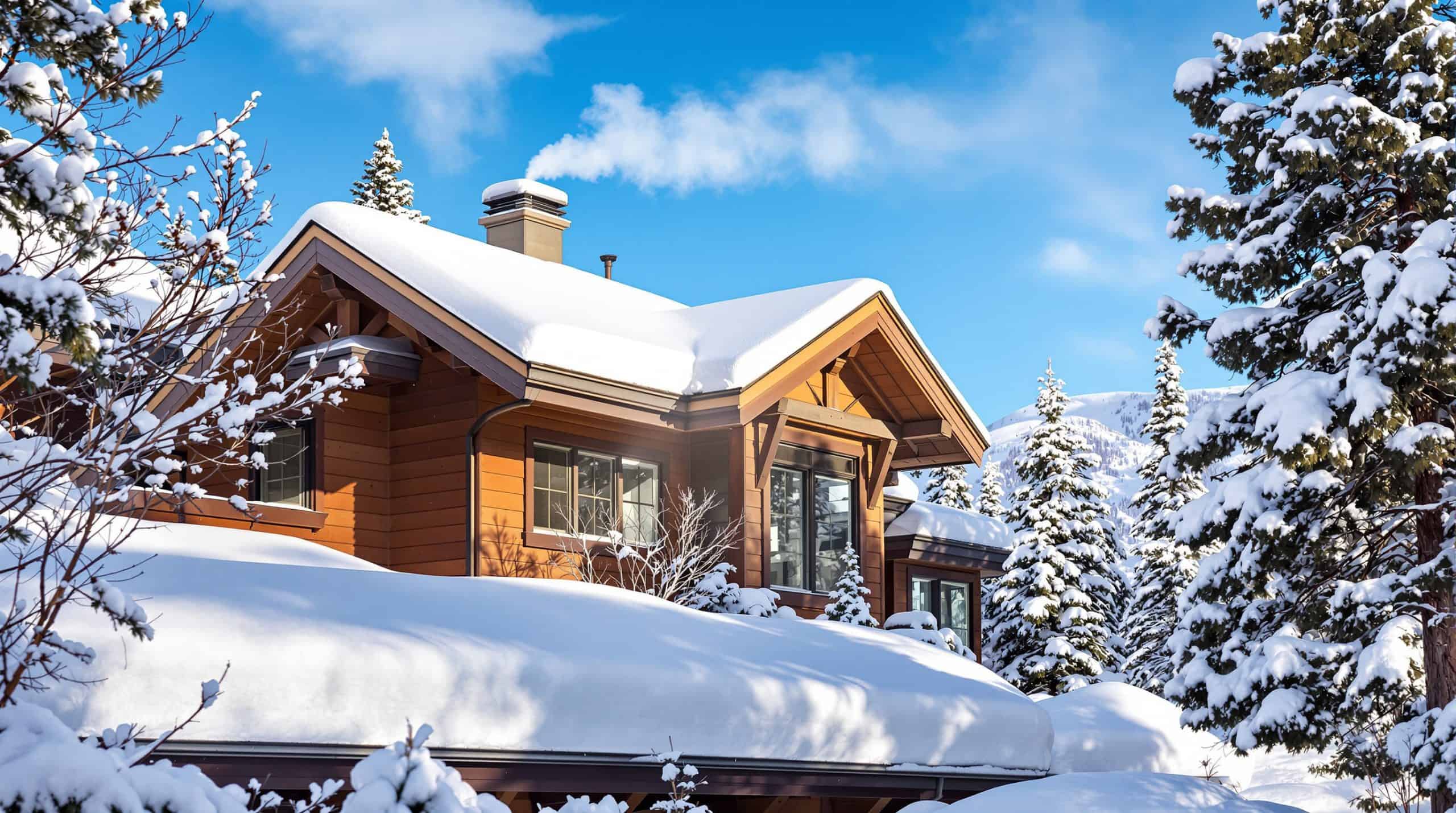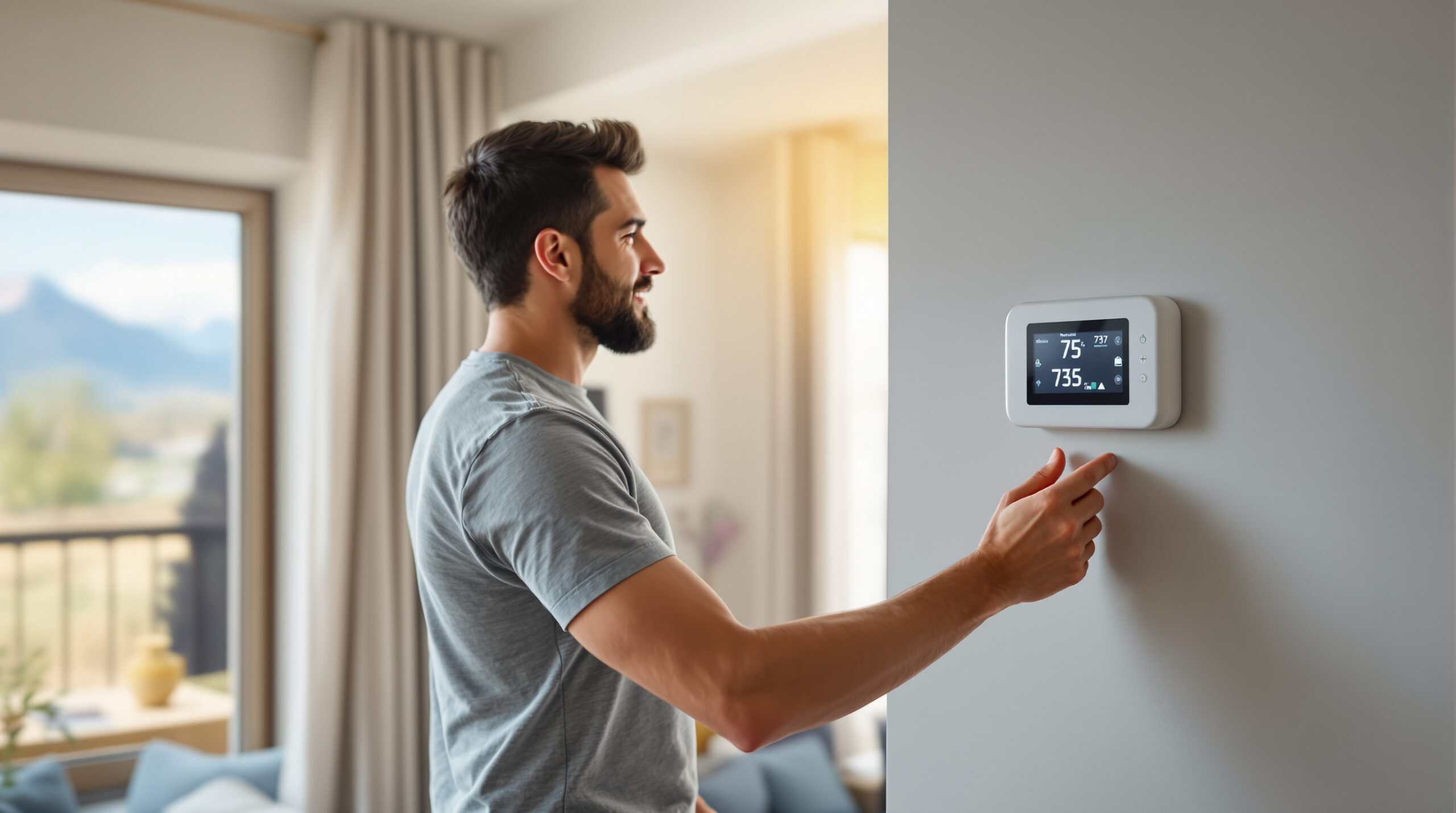
It is 6 a.m. in October, the sun has not cleared Pikes Peak yet, and your furnace kicked on twice overnight because the temperature dropped from 68 degrees at dusk to near freezing before dawn. By 2 p.m. the same day, your living room windows are hot enough to need the AC running. That whiplash is normal here, and it is exactly the kind of swing a smart thermostat is built to handle.
Key Takeaways
- Temperature swings drive waste: Colorado Springs often sees 30-plus degree daily swings, and a programmable or smart thermostat adjusts automatically instead of running on a fixed schedule that fights the weather.
- Savings depend on your habits and home: A smart thermostat only saves money when it is programmed and used correctly, so results vary by household, insulation, and system type.
- Compatibility matters before you buy: Not every smart thermostat works with every furnace, heat pump, or zoning setup, and mismatched wiring is a common source of frustration.
- Altitude affects installation details: High-elevation homes can have unique wiring, common-wire availability, and combustion considerations that a comfort advisor should check before setup.
- A thermostat is not a substitute for maintenance: Even the smartest thermostat cannot fix a dirty filter, leaky ductwork, or a furnace overdue for a tune-up.
- Rebates can offset the cost: Xcel Energy and manufacturer programs sometimes include smart thermostat incentives worth checking before you buy.
1. Why Colorado Springs' Temperature Swings Make Smart Thermostats Worth It
Colorado Springs sits at 6,035 feet, and that elevation does more than make the sunsets prettier. Thin air holds less heat, so once the sun goes down, temperatures can fall fast, especially in shoulder seasons like spring and fall when a 40-degree morning can turn into a 75-degree afternoon. A traditional thermostat set to a fixed schedule cannot react to that kind of daily volatility. It either overworks your furnace in the early morning or leaves your AC idle during a surprise afternoon heat spike, both of which cost you comfort and money.
A smart thermostat learns your patterns, adjusts to actual conditions instead of a preset clock, and in many cases can be controlled remotely if you are away from the house and the weather shifts unexpectedly. For homeowners in Monument, Black Forest, or Woodland Park, where elevation and tree cover create even more localized temperature variation than in the city center, that adaptability matters more than it would in a climate with steady, predictable weather.
Daily Swings and Furnace Cycling
Frequent short cycling, where a furnace turns on and off repeatedly because of quick outdoor temperature shifts, adds wear to components and burns more fuel than longer, steady run times. A smart thermostat with adaptive recovery can anticipate these swings and moderate cycling rather than reacting to every small change in the room. Over a full heating season, that adds up to less strain on the system and a more even temperature throughout the house.
Shoulder Season Behavior
Spring and fall in Colorado Springs are notorious for needing heat in the morning and air conditioning by afternoon, sometimes on the same day. Smart thermostats with geofencing or multi-stage scheduling can switch modes more intelligently than a basic programmable unit, which usually only supports a handful of preset temperature blocks per day. This is one of the more underrated smart thermostat savings Colorado Springs homeowners see, since shoulder season is when older thermostats waste the most energy fighting unpredictable weather.
2. How Much Can You Actually Save on Energy Bills
Every homeowner wants a number, and the honest answer is that savings depend on your current thermostat, your home's insulation, your household's schedule, and how consistently you use the smart features rather than overriding them constantly. The Department of Energy notes that adjusting your thermostat setback by several degrees for extended periods, such as while you sleep or are away, is one of the most reliable ways to reduce heating and cooling costs, and smart thermostats make that adjustment automatic instead of relying on you to remember.
Homes with older manual thermostats tend to see the biggest improvement when they switch, simply because manual dial thermostats do not adjust at all without a person physically changing them. Homes that already have a basic programmable thermostat will see smaller gains, since some of that scheduling benefit already exists, but features like geofencing, learning algorithms, and remote sensors can still tighten efficiency further.
What Affects Your Actual Savings
Insulation quality, duct condition, window efficiency, and how often household members override the programmed schedule all influence the real-world result. A smart thermostat in a home with leaky ductwork or poor attic insulation will still save some energy, but the ceiling on those savings is lower until the underlying envelope and duct issues are addressed. This is why A & Z comfort advisors often talk about thermostats and duct performance together rather than treating a thermostat as a standalone fix.
Setting Realistic Expectations
Look for ENERGY STAR certified smart thermostats, since that certification requires third-party verified energy performance testing rather than manufacturer marketing claims alone. According to ENERGY STAR, certified models are independently verified to deliver measurable savings when used as intended, which is a useful baseline when comparing brands. The biggest savings usually come in the first few months after installation, as the thermostat learns your patterns and you dial in a schedule that matches your actual life rather than a generic factory default.
3. Compatibility with Existing AC and Furnace Systems
Not every smart thermostat works with every heating and cooling setup, and this is where a surprising number of Colorado Springs homeowners run into trouble after buying one online without checking their system first. Standard single-stage furnace and AC systems are usually the easiest to match with popular smart thermostat brands, but multi-stage furnaces, heat pumps, and zoned systems require more careful wiring verification. Older systems, especially those in Old North End or Manitou Springs homes built before central air was common, sometimes lack a dedicated common wire (often called a C-wire), which many smart thermostats need for continuous power.
Homes with a Unico small-duct high-velocity system, dual-fuel setups pairing a heat pump with a furnace, or zoned ductwork with multiple dampers need a thermostat rated for that specific configuration, not just a general "compatible with most systems" label from a retail box.
| System Type | Compatibility Considerations | Common Issue |
|---|---|---|
| Standard single-stage furnace/AC | Generally straightforward | Missing C-wire in older homes |
| Multi-stage furnace | Needs thermostat rated for multi-stage control | Wrong stage mapping causes short cycling |
| Heat pump (including cold climate models) | Requires heat pump compatible thermostat with auxiliary heat settings | Auxiliary heat running too often if misconfigured |
| Zoned ductwork | Needs zone control panel integration | Thermostat controls only one zone by default |
| Unico small-duct systems | Requires manufacturer-verified compatible thermostat | Airflow sensing mismatches with standard thermostats |
Checking Your System Before You Buy
Before purchasing a smart thermostat, take a photo of your current thermostat's wiring terminals and check how many wires are connected and what they are labeled. Manufacturer compatibility checkers can give you a preliminary answer, but they cannot account for unusual wiring quirks that show up in older Colorado Springs homes, especially ones that have had partial system upgrades over the years. A quick call to a comfort advisor before you buy can save you a return trip to the store.
Heat Pumps and Auxiliary Heat Settings
If you have or are considering a cold climate heat pump, thermostat settings for auxiliary or emergency heat matter more than they do with a standard furnace. A misconfigured thermostat can trigger backup electric resistance heat far more often than necessary, which quietly erodes the efficiency gains the heat pump was supposed to deliver. This is a common oversight when homeowners self-install a smart thermostat without heat pump-specific programming knowledge.
4. Installation Considerations at High Altitude
Colorado Springs' elevation does not change how a smart thermostat physically mounts on your wall, but it does influence some of the surrounding system behavior that a thermostat interacts with. Furnace combustion at 6,035 feet requires different air-to-fuel ratios than at sea level, and many furnaces need altitude-specific adjustment during installation, something covered in Armstrong Air's installation documentation for high-altitude regions. A smart thermostat cannot correct for a furnace that was not properly adjusted for elevation in the first place, so the two issues can get confused when a homeowner is troubleshooting temperature complaints.
Wiring is the other altitude-adjacent issue. Many homes in the region, particularly older ones in Manitou Springs or parts of the west side, were built or renovated before smart thermostats existed, and their low-voltage wiring may not include the common wire these devices often need for consistent operation. Retrofitting that wire sometimes requires running new cable through walls or using a compatible adapter, which is a detail worth resolving during a professional installation rather than after a DIY attempt leaves the thermostat cycling on and off unpredictably.
Placement Still Matters
Where you mount the thermostat affects its readings regardless of elevation, but Colorado Springs' intense high-altitude sunlight through south-facing windows can throw off temperature sensors more aggressively than it would in a lower-elevation, hazier climate. Avoid placing a thermostat near direct sun exposure, supply vents, or exterior walls that swing in temperature throughout the day, since any of these can cause the thermostat to misread the room and cycle the system incorrectly.
Professional Setup Versus DIY
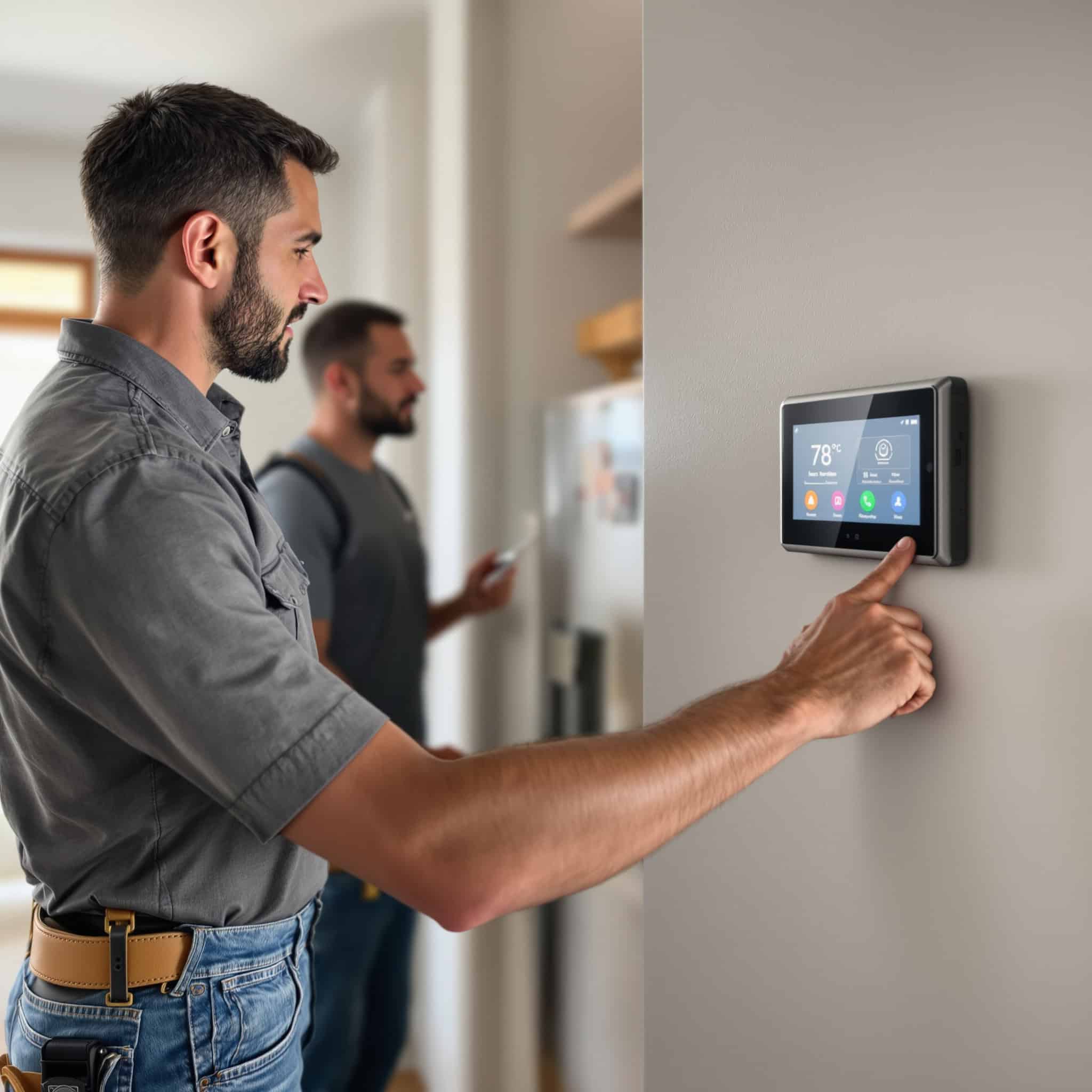
A smart thermostat looks simple to install, and for many homes it genuinely is, but combining it with an older furnace, a heat pump, or a system that has never had its high-altitude combustion settings verified is where DIY installs go wrong. A comfort advisor can confirm your furnace's combustion settings are correct for elevation at the same visit, catching a problem that a thermostat swap alone would never reveal. That combined check is one of the more practical reasons to have installation done professionally rather than treating it as a weekend project.
5. Pairing a Smart Thermostat with Regular HVAC Maintenance
A smart thermostat is a control device, not a repair device. It can optimize when and how your system runs, but it cannot compensate for a dirty filter restricting airflow, a low refrigerant charge reducing cooling capacity, or leaky ductwork losing conditioned air before it reaches your rooms. Homeowners sometimes install a smart thermostat expecting dramatic bill reductions, only to find the savings modest because the underlying system was already working harder than it should have been.
This is where thermostat upgrades and maintenance plans work best together. A furnace tune-up that checks combustion, verifies safe carbon monoxide levels, and confirms proper airflow gives the smart thermostat accurate, healthy equipment to manage. Skipping that maintenance is a bit like installing a fitness tracker on someone who is not eating well. The device measures things accurately, but it cannot fix the underlying problem on its own.
Duct Sealing and Thermostat Performance
Leaky ductwork is one of the most common reasons a smart thermostat's data does not match a homeowner's comfort experience. If ducts are losing conditioned air into an attic or crawlspace, the thermostat may read the target temperature has been reached in the room where it is mounted, while other rooms stay too hot or too cold. Aeroseal duct sealing addresses this at the source by sealing leaks from the inside, and pairing it with a smart thermostat means the temperature data the thermostat is using is actually representative of what is happening throughout the home, not just near the sensor.
Building a Maintenance Habit Around Your Thermostat
Many smart thermostats include filter change reminders and can flag unusual runtime patterns that might indicate a developing mechanical issue. Treat those alerts as a starting point rather than a full diagnosis. A seasonal tune-up performed by a trained comfort advisor covers combustion safety, refrigerant levels, and airflow in ways a thermostat's software simply cannot measure. If you are weighing whether a maintenance plan is worth the investment alongside a new thermostat, the honest answer is that the two upgrades reinforce each other far more than either does alone.
6. Rebates and Incentives Worth Checking
Before buying a smart thermostat outright, it is worth checking whether current utility or manufacturer incentives apply, since these programs change from year to year and can meaningfully offset the upfront cost. Xcel Energy periodically runs rebate programs for qualifying smart thermostats and, separately, for qualifying heat pump equipment (up to $2,250 for eligible cold climate heat pumps), so it is worth checking current program details before making a purchase decision rather than assuming last year's terms still apply.
Manufacturer rebates through Armstrong Air and its authorized dealer network sometimes stack with utility incentives during certain promotional windows, which can make a higher-end smart thermostat more affordable than its sticker price suggests. Because these programs shift regularly, confirming current eligibility with your utility provider or an Armstrong Air Authorized Dealer before purchase is the most reliable way to avoid missing out on a rebate you qualified for.
Federal Tax Credit Considerations
While smart thermostats themselves are not typically eligible for federal tax credits, pairing a thermostat upgrade with qualifying HVAC equipment, such as a high-efficiency furnace or heat pump, may open eligibility for broader federal incentive programs. The IRS Energy Efficient Home Improvement Credit covers a range of qualifying equipment upgrades, and homeowners planning a larger HVAC project alongside a thermostat swap should review current eligibility requirements before finalizing purchase decisions.
Timing Your Purchase
Rebate programs often have limited annual funding and can close once a budget cap is reached, so timing your purchase around program announcements rather than waiting until your old thermostat fails can make the difference between qualifying and missing out. A comfort advisor familiar with current local programs can flag active rebates during a consultation, which is one more reason to loop in a professional even for what seems like a simple thermostat swap.
FAQs
How much can a smart thermostat actually save on energy bills in Colorado Springs?
Savings vary by home, but the biggest gains typically come from homes upgrading away from manual dial thermostats, since those provide no automatic scheduling at all. ENERGY STAR certified models are independently verified for energy performance, which makes them a safer bet than uncertified budget options.
Will a smart thermostat work with my old furnace or heat pump?
It depends on your system type and existing wiring. Standard single-stage systems are usually straightforward, but multi-stage furnaces, heat pumps, and zoned ductwork need a thermostat rated for that specific setup, and older homes sometimes lack the common wire many smart thermostats require.
Does elevation in Colorado Springs affect how a smart thermostat works?
The thermostat itself is not affected by elevation, but the furnace it controls may need altitude-specific combustion adjustments to run correctly. A professional installation checks both at once, so temperature complaints are not mistakenly blamed on the thermostat.
Can a smart thermostat replace the need for regular HVAC maintenance?
No. A smart thermostat controls when your system runs, but it cannot fix a dirty filter, low refrigerant, or leaky ductwork. Pairing a smart thermostat with seasonal tune-ups and duct sealing gives you accurate, efficient performance from the whole system, not just the control panel.
Are there rebates available for smart thermostats in Colorado Springs?
Utility and manufacturer rebate programs change periodically, so it is worth checking current Xcel Energy and Armstrong Air Authorized Dealer offers before purchasing. Programs sometimes have limited funding, so timing your purchase around active promotions can improve your odds of qualifying.
Conclusion
A smart thermostat is one of the most affordable upgrades a Colorado Springs homeowner can make, but its real value depends on matching it correctly to your system, your home's wiring, and your household's habits rather than assuming any model will deliver identical results. The daily temperature swings that define this climate, from crisp mornings near Pikes Peak to warm shoulder-season afternoons, make adaptive scheduling genuinely useful here in a way it might not be in a more stable climate. Compatibility checks, altitude-aware installation, and ongoing maintenance are what turn a smart thermostat from a nice gadget into a real contributor to lower energy bills.
At A & Z Mechanical, comfort advisors have spent more than 25 years helping Colorado Springs homeowners get honest answers about what will and will not move the needle on their energy bills, backed by Armstrong Air Authorized Dealer status and a standard of standing by every job. Whether you are weighing a first smart thermostat, wondering if your current one is compatible with a heat pump upgrade, or trying to figure out why your bills have not budged despite a new thermostat on the wall, that is the kind of straight answer a family operated local contractor is built to give.
Get A Quote to find out which smart thermostat fits your system, get an honest assessment of your furnace or heat pump's current performance, and start seeing real smart thermostat savings in your Colorado Springs home this season.