
Your eyes are itchy before you even finish your coffee, and the juniper pollen count on the news ticker is climbing again. If that scene sounds familiar, you already know Colorado Springs does not do allergy season halfway. What most homeowners do not realize is how much of that daily misery is happening inside the house, not just outside it, and how much of it your HVAC system can fix.
Key Takeaways
- Colorado Springs consistently ranks among the toughest cities for allergy sufferers: dry air, elevation, and a long pollen season combine to keep symptom triggers active for much of the year.
- Ductwork carries allergens through the whole house: dust, pollen, and pet dander that enter your return air get redistributed room to room every time the system runs.
- Filtration matters, but so does filter fit: a filter rated too high for your equipment can restrict airflow and strain the system, so matching MERV rating to your HVAC design is essential.
- Leaky ducts pull in more than they push out: gaps in duct runs through attics, crawlspaces, and garages can draw in dust and allergens before conditioned air ever reaches your living space.
- Humidity swings affect allergy symptoms directly: Colorado's dry air irritates nasal passages and airways, while too much moisture invites dust mites and mold, so the right balance matters.
- Small, consistent HVAC habits add up: filter changes, seasonal tune-ups, and duct maintenance do more for allergy relief than most homeowners expect.
1. Why Colorado Springs Ranks Among the Most Allergy Prone Cities
Colorado Springs has a well-earned reputation among allergy sufferers, and it is not just anecdotal. The Asthma and Allergy Foundation of America publishes an annual ranking of the most challenging U.S. cities to live in with allergies, factoring in pollen counts, medication use, and access to allergy specialists, and Colorado Front Range cities including Colorado Springs regularly land near the top of that list. You can review the current Allergy Capitals rankings from AAFA.org to see how the region compares nationally in a given year.
Several local factors stack the deck against allergy sufferers here. The city sits at 6,035 feet, where thinner air and intense sun exposure can make airborne irritants feel more concentrated in daily life. Juniper and pine trees release pollen early in spring, ragweed takes over by late summer, and dry, windy conditions keep particles airborne longer than they would stay suspended in a humid climate. Add wildfire smoke drifting in during dry summer stretches, and Colorado Springs residents deal with a longer allergy season than most of the country experiences.
The Local Pollen Calendar
Tree pollen typically arrives first in late winter and early spring, driven by juniper, cottonwood, and pine. Grass pollen follows through late spring and early summer, and ragweed dominates from late summer into fall. Because the growing season stretches across so many months at this elevation and latitude, there is rarely a long stretch of the year when Colorado Springs air is genuinely pollen free.
Why Dry Climate Intensifies Symptoms
Low humidity does not just dry out your skin and sinuses. It also keeps pollen and dust particles lighter and more likely to stay airborne rather than settling out of the air. That means more of what is outside ends up circulating indoors, especially any time doors and windows open or your HVAC system draws in outdoor air through gaps in the building envelope.
2. How Pollen and Dust Get Into Your Ductwork
Most homeowners picture allergens as an outdoor problem that occasionally sneaks inside through an open window. In reality, your ductwork is one of the biggest reservoirs of allergens in the entire house. Every time your furnace or air conditioner cycles on, air moves through miles of ductwork that can accumulate dust, pollen, pet dander, and skin cells over months and years. That buildup does not stay put. It gets pushed back into every room the system serves.
Return air grilles are often the biggest culprit. If a return is located near a garage, a dusty basement, or an attic access point, it can pull in far more contaminants than a grille placed in a clean living space. Older homes in neighborhoods like the Old North End or Manitou Springs sometimes have return ducts that were never properly sealed at the seams, which means they draw air from wherever the path of least resistance leads, including crawlspaces where dust and even rodent debris can collect.
Ducts as Allergen Highways
Once dust or pollen enters the return side of the system, the blower motor moves it through the furnace or air handler and back out through every supply register in the house. This is why a bedroom on the far side of the home from an open window can still accumulate allergens: the HVAC system is doing the distribution work, not the breeze.
Signs Your Ducts Are Contributing to Symptoms
Visible dust buildup around supply registers, a musty smell when the system first kicks on, or symptoms that worsen specifically when the furnace or AC is running are all signs worth investigating. A comfort advisor can inspect accessible duct sections and recommend whether cleaning, sealing, or filtration changes make the most sense for your specific setup.
3. The Role of Air Filtration in Reducing Indoor Allergens
Filtration is the most direct lever homeowners have over indoor allergen levels, but not all filters do the same job. Filters are rated using the MERV scale, which measures how effectively a filter captures particles of different sizes. A basic MERV 8 filter catches larger particles like dust and lint reasonably well, while MERV 11 and MERV 13 filters capture progressively finer particles, including much of the pollen, mold spores, and pet dander that trigger allergy symptoms.
Higher is not automatically better, though. Furnaces and air handlers are engineered around a specific airflow range, and a filter rated too dense for that system can restrict airflow, force the blower to work harder, and in some cases cause efficiency and comfort problems that outweigh the filtration benefit. The Department of Energy's guidance on HVAC filters is a useful starting point for understanding how filtration and system efficiency interact.
Choosing the Right MERV Rating for Your System
Most residential systems handle MERV 8 to MERV 11 filters comfortably without airflow issues. Some newer high-efficiency furnaces and air handlers are designed to accommodate MERV 13 filters, which capture much finer allergy triggers. The safest approach is checking your equipment's manufacturer specifications or asking a comfort advisor before jumping to a higher rating, since airflow restriction can quietly shorten equipment life.
Filter Changes Matter More During Allergy Season
A filter that is due for replacement loses its capture efficiency and can become a source of recirculated allergens itself. During peak pollen months, checking filters more frequently than the standard seasonal schedule is a simple habit that pays off in noticeably cleaner indoor air.
4. Whole Home Air Purifiers vs Standard Filters for Allergy Relief
Homeowners dealing with serious allergy symptoms often reach a point where a standard filter, even a good one, does not feel like enough. That is where whole-home air purification systems come in. Unlike a portable unit that only treats the air in one room, a whole-home system integrates with your ductwork and treats air every time the HVAC system runs, covering the entire house rather than a single space.
The right choice depends on the severity of symptoms, the size of the home, and budget priorities. A standard high-MERV filter is a reasonable baseline for mild seasonal symptoms, while a dedicated whole-home purifier is a stronger option for households managing asthma, severe pollen allergies, or multiple family members with sensitivities.
| Feature | Standard Pleated Filter | Whole-Home Air Purifier |
|---|---|---|
| Coverage | Entire home, but limited to what passes through the filter | Entire home, with active treatment technology |
| Particle capture | Depends on MERV rating, typically MERV 8-13 | Often captures finer particles and some airborne pathogens |
| Maintenance | Replace every one to three months | Varies by system, generally less frequent replacement |
| Airflow impact | Can restrict airflow if rated too high for the system | Engineered to work within system airflow design |
| Best for | Mild to moderate seasonal allergies | Severe allergies, asthma, or multiple sensitive household members |
| Installation | Simple filter swap | Professional installation integrated into ductwork |
The table shows why this is not an either-or decision for most homes. A quality filter is the foundation, and a whole-home purifier builds on top of it for households that need more aggressive allergen reduction. A comfort advisor can walk through your home's layout and symptom history to recommend where on that spectrum your household actually falls, rather than guessing based on national averages.
5. How Leaky Ducts Can Make Allergy Season Worse
Even the best filter and the most advanced air purifier cannot fully compensate for ductwork that is leaking air along its route. Duct leaks create a pressure imbalance in the home, and that imbalance pulls unconditioned, unfiltered air in through whatever gaps it can find, including attic hatches, crawlspace penetrations, and gaps around recessed lighting. That air often carries dust, insulation fibers, and outdoor pollen that never passed through your filter at all.
This is a common issue in Colorado Springs homes, particularly older properties where ductwork was installed decades ago using materials and sealing methods that have since degraded. A system that is otherwise well maintained can still deliver dusty, allergen-heavy air to certain rooms simply because the ducts feeding those rooms have deteriorated seals.
Aeroseal as a Targeted Fix
Aeroseal duct sealing addresses this problem from the inside out, sealing gaps and leaks throughout the duct system without tearing into walls or ceilings. For allergy sufferers, the benefit goes beyond energy savings. A properly sealed duct system stops pulling in unfiltered air from attics and crawlspaces, which means less dust and pollen bypass your filtration entirely. You can review Aeroseal's manufacturer documentation for more on how the sealing process works and what it measures before and after treatment.
Signs Your Home Might Have Leaky Ducts
Rooms that feel dustier than others, uneven temperatures between rooms on the same floor, or a noticeable musty smell near vents are all common indicators. If certain bedrooms consistently trigger worse allergy symptoms than others, duct leakage feeding unfiltered air into that specific run is worth investigating before assuming the room itself is the problem.
6. Humidity's Surprising Connection to Allergy Symptoms
Most people associate allergies with pollen counts and dust, not humidity levels, but moisture in the air plays a bigger role in symptom severity than many homeowners realize. Colorado's naturally dry climate, made worse indoors by forced-air heating through the winter, can dry out the nasal passages and airways to the point where they become more reactive to whatever allergens are present. That is part of why winter congestion and springtime allergy flare-ups can feel connected rather than separate problems.
On the other end of the spectrum, indoor humidity that runs too high creates its own issues. Dust mites and mold, two of the most common indoor allergy triggers, thrive in moist environments. The EPA recommends keeping indoor relative humidity between 30 and 50 percent to strike a balance that discourages both dust mites and the discomfort of overly dry air.
Why Colorado Springs Homes Often Run Too Dry
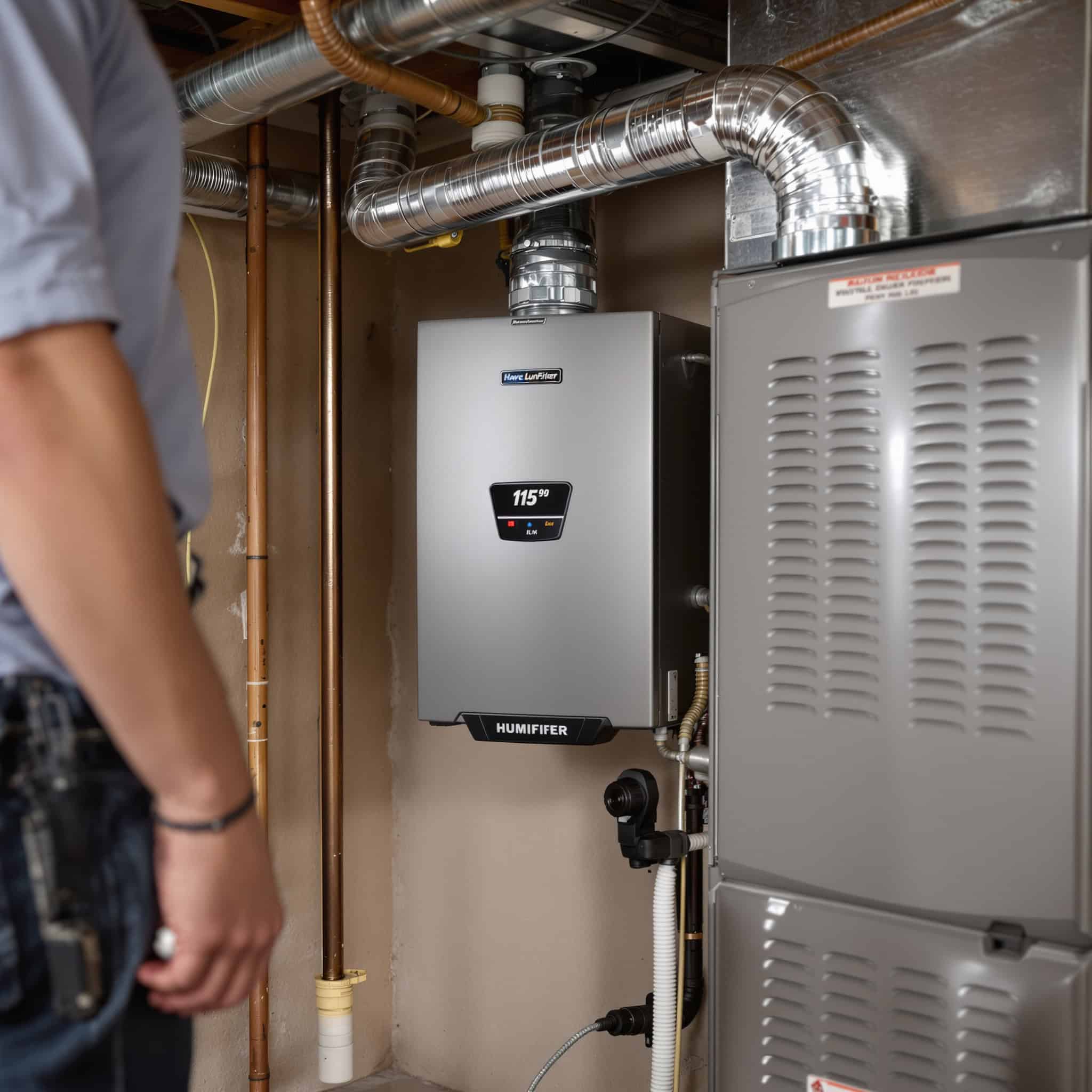
Between the naturally arid Front Range climate and long furnace-running winters, most Colorado Springs homes sit well below that 30 percent threshold for large stretches of the year. A whole-house humidifier integrated into your HVAC system addresses this evenly across the entire home, rather than relying on portable units that only treat one room at a time and require constant refilling.
Finding the Right Balance for Allergy Relief
The goal is not maximum humidity, it is the right humidity. Overcorrecting into the 55 percent-plus range can invite mold growth and dust mite activity, undoing the benefit you were trying to achieve. A properly sized and controlled whole-home humidifier, checked periodically as part of routine HVAC service, keeps the home in that comfortable middle range where nasal passages stay hydrated without creating a breeding ground for other allergens.
7. Simple HVAC Habits That Ease Symptoms at Home
Big equipment upgrades are not the only way to fight back against allergy season. A handful of consistent habits, most of them low-effort, can meaningfully reduce the allergen load circulating through your home. The trick is treating these as routine rather than something you only think about once symptoms are already bad.
Start with the filter schedule. During peak pollen months, checking filters more often than the standard interval prevents a clogged filter from becoming a source of recirculated dust and pollen. Keep windows closed on high pollen count days, especially during morning hours when counts often peak, and rely on your HVAC system's filtration instead. Running the fan setting on your thermostat periodically, even when heating or cooling is not actively needed, keeps air moving through the filter more consistently rather than letting allergens settle and then get stirred up all at once.
Seasonal Tune-Ups Catch Problems Early
A seasonal maintenance visit does more than keep your equipment running efficiently. It gives a comfort advisor the chance to inspect accessible ductwork, check filter fit, verify humidity control settings, and catch small issues, like a degraded duct seal or a filter housing that does not seal properly, before they become a bigger source of indoor allergens. For homeowners already managing seasonal allergies, a fall and spring tune-up schedule lines up naturally with the two times of year symptoms tend to peak.
Building Habits Around Your Specific Home
Every home is different. A ranch-style house in Fountain with a single-story duct run behaves differently than a two-story historic home in Manitou Springs with older ductwork and multiple return points. The right combination of filtration, duct sealing, and humidity control depends on your home's specific layout, age, and symptom patterns, which is why an honest, on-site evaluation beats generic national advice every time.
FAQs
Which air purifiers help with wildfire smoke season allergies?
Whole-home air purifiers with fine particulate capture, paired with a high-MERV filter, are the most effective option for wildfire smoke since smoke particles are extremely small. Check AirNow.gov for current local air quality before deciding whether to run your system on recirculate during heavy smoke days.
Do Colorado Springs homes need a whole-home humidifier for allergies?
Many do. The region's naturally dry climate often pushes indoor humidity below the EPA's recommended 30 to 50 percent range, which can worsen nasal irritation and allergy symptoms. A whole-home humidifier evens this out across every room, not just one.
What MERV rating filter is best for allergy sufferers?
MERV 11 to MERV 13 filters capture more pollen, mold spores, and pet dander than a basic MERV 8 filter, but only if your system's airflow design supports that rating. A comfort advisor can confirm what your specific furnace or air handler can handle without restricting performance.
Is Aeroseal duct sealing worth it for reducing indoor allergens?
Yes, for homes with leaky ductwork running through attics, crawlspaces, or garages. Sealing those leaks stops unfiltered dust and outdoor allergens from being pulled into the airstream, which filtration alone cannot fully address.
How often should HVAC filters be changed during allergy season?
Check filters monthly during peak pollen months, even if your standard schedule is longer, since heavier allergen loads clog filters faster. A visibly dirty or gray filter should be replaced immediately regardless of how much time has passed.
Conclusion
Allergy season in Colorado Springs is not just an outdoor problem you wait out until the wind changes. Between the pollen calendar, the dry climate, and the way ductwork can quietly circulate dust and allergens through every room, your HVAC system plays a direct role in how bad, or how manageable, symptoms feel at home. Filtration, duct sealing, and humidity control work together, and addressing only one piece often leaves the others undermining the effort.
A & Z Mechanical has spent more than 25 years helping Colorado Springs area homeowners, from historic Old North End properties to newer builds in Falcon and Black Forest, get honest answers about what their specific home actually needs. As a Carrier Authorized Dealer and the region's only Unico small-duct certified installer, with Aeroseal duct sealing certification most local contractors do not hold, the team's NATE certified comfort advisors diagnose the real source of indoor air problems instead of guessing.
Get A Quote to have a comfort advisor evaluate your home's filtration, duct condition, and humidity levels so you can head into allergy season with a plan instead of a box of tissues. Whether the fix is a filter upgrade, duct sealing, or a whole-home humidifier, you will get a straight answer about what your home actually needs and nothing more.